
Cloud Security & Compliance
Cloud Security and Compliance: Protecting Data, Ensuring Privacy, and Meeting Regulatory Standards
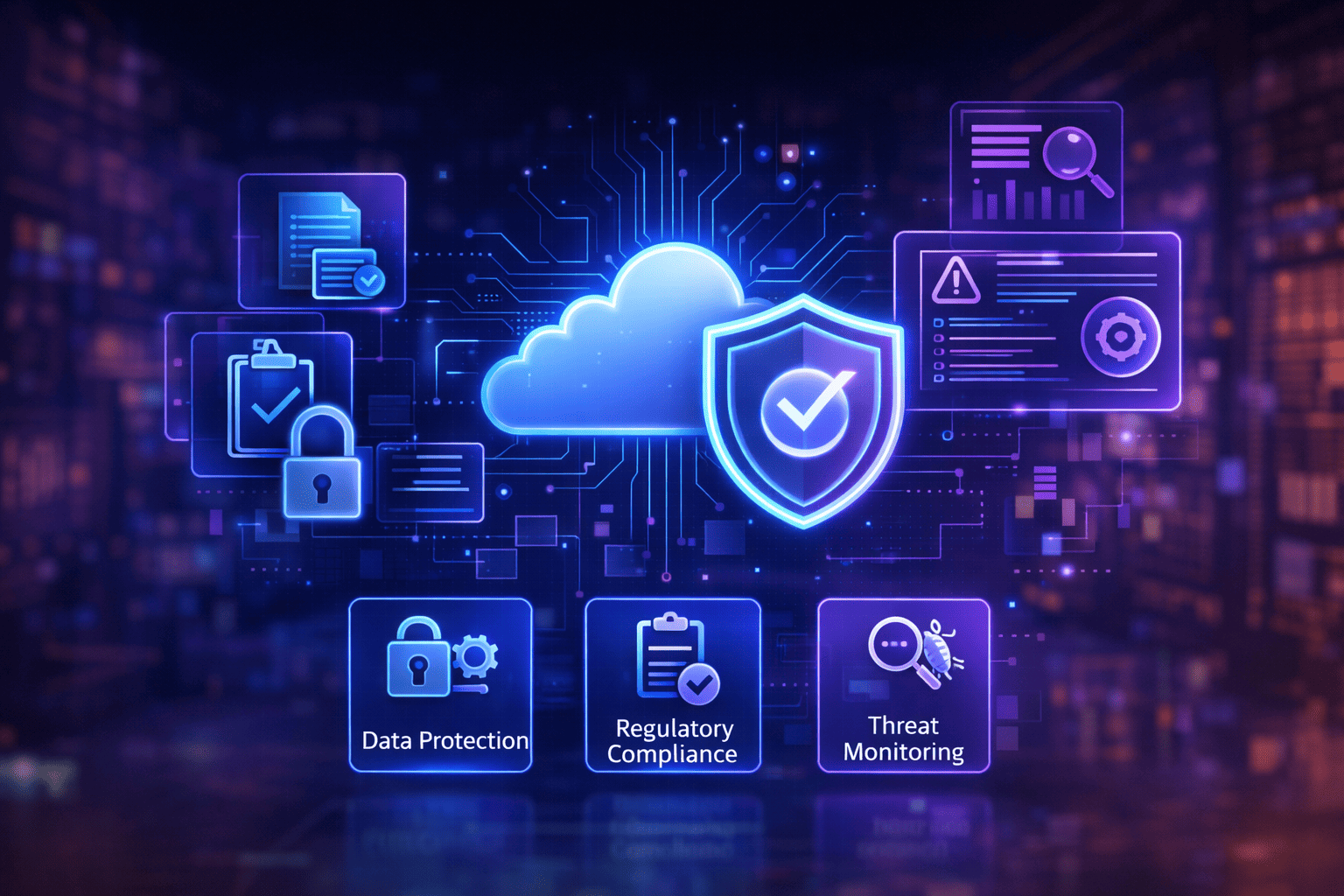
As organizations increasingly move their operations to the cloud, ensuring data security and regulatory compliance has become a top priority. Cloud Security and Compliance focus on protecting sensitive data, maintaining system integrity, and adhering to industry regulations while leveraging the scalability and flexibility of cloud technologies. With the growing complexity of cloud environments, businesses must adopt robust security frameworks and governance practices to safeguard their digital assets. Cloud security plays a critical role in protecting data, applications, and infrastructure from cyber threats. As organizations store vast amounts of sensitive information in the cloud, they must implement strong security measures such as encryption, identity and access management (IAM), and multi-factor authentication (MFA). These technologies ensure that only authorized users can access critical systems and data, reducing the risk of unauthorized access and data breaches.
One of the key aspects of cloud security is data protection. Businesses must ensure that data is secure both at rest and in transit. Encryption techniques help protect data from unauthorized access, while secure communication protocols safeguard data during transmission. Additionally, organizations should implement backup and disaster recovery strategies to ensure data availability and business continuity in case of system failures or cyberattacks.
Compliance is equally important in cloud environments, especially for industries that handle sensitive information such as healthcare, finance, and government sectors. Regulations such as GDPR, HIPAA, and other data protection laws require organizations to maintain strict controls over data storage, processing, and access. Cloud compliance ensures that organizations follow these regulatory requirements, reducing the risk of legal penalties and reputational damage.
Another important component of cloud security is continuous monitoring and threat detection. Modern cloud platforms provide advanced security tools that use AI and machine learning to detect anomalies, identify potential threats, and respond in real-time. These tools enable organizations to proactively address security risks before they escalate into major incidents. Security information and event management (SIEM) systems and automated alerts further enhance visibility and control over cloud environments.
Identity and access management (IAM) is a fundamental pillar of cloud security. By defining roles and permissions, organizations can control who has access to specific resources and what actions they can perform. Implementing the principle of least privilege ensures that users only have access to the data and systems necessary for their roles, minimizing security risks.
Despite the benefits of cloud security, organizations face challenges such as misconfigurations, lack of visibility, and evolving cyber threats. Misconfigured cloud settings can expose sensitive data to unauthorized access, making it essential to regularly audit and monitor cloud configurations. Additionally, organizations must invest in skilled professionals and advanced security tools to effectively manage cloud security.
The future of cloud security and compliance is driven by automation and intelligent security solutions. AI-powered security systems can automatically detect vulnerabilities, enforce compliance policies, and respond to threats in real-time. As cloud adoption continues to grow, businesses must embrace these advanced technologies to build secure and resilient cloud infrastructures.
In conclusion, Cloud Security and Compliance are essential for protecting digital assets and ensuring regulatory adherence in modern cloud environments. By implementing strong security measures, maintaining compliance standards, and leveraging advanced technologies, organizations can confidently adopt cloud solutions while minimizing risks and maximizing business value.
Compliance is equally important in cloud environments, especially for industries that handle sensitive information such as healthcare, finance, and government sectors. Regulations such as GDPR, HIPAA, and other data protection laws require organizations to maintain strict controls over data storage, processing, and access. Cloud compliance ensures that organizations follow these regulatory requirements, reducing the risk of legal penalties and reputational damage.
Another important component of cloud security is continuous monitoring and threat detection. Modern cloud platforms provide advanced security tools that use AI and machine learning to detect anomalies, identify potential threats, and respond in real-time. These tools enable organizations to proactively address security risks before they escalate into major incidents. Security information and event management (SIEM) systems and automated alerts further enhance visibility and control over cloud environments.
Identity and access management (IAM) is a fundamental pillar of cloud security. By defining roles and permissions, organizations can control who has access to specific resources and what actions they can perform. Implementing the principle of least privilege ensures that users only have access to the data and systems necessary for their roles, minimizing security risks.
Despite the benefits of cloud security, organizations face challenges such as misconfigurations, lack of visibility, and evolving cyber threats. Misconfigured cloud settings can expose sensitive data to unauthorized access, making it essential to regularly audit and monitor cloud configurations. Additionally, organizations must invest in skilled professionals and advanced security tools to effectively manage cloud security.
The future of cloud security and compliance is driven by automation and intelligent security solutions. AI-powered security systems can automatically detect vulnerabilities, enforce compliance policies, and respond to threats in real-time. As cloud adoption continues to grow, businesses must embrace these advanced technologies to build secure and resilient cloud infrastructures.
In conclusion, Cloud Security and Compliance are essential for protecting digital assets and ensuring regulatory adherence in modern cloud environments. By implementing strong security measures, maintaining compliance standards, and leveraging advanced technologies, organizations can confidently adopt cloud solutions while minimizing risks and maximizing business value.