
AI Driven Personalization In Marketing
AI-Driven Personalization in Marketing: Delivering Targeted Experiences and Increasing Customer Engagement
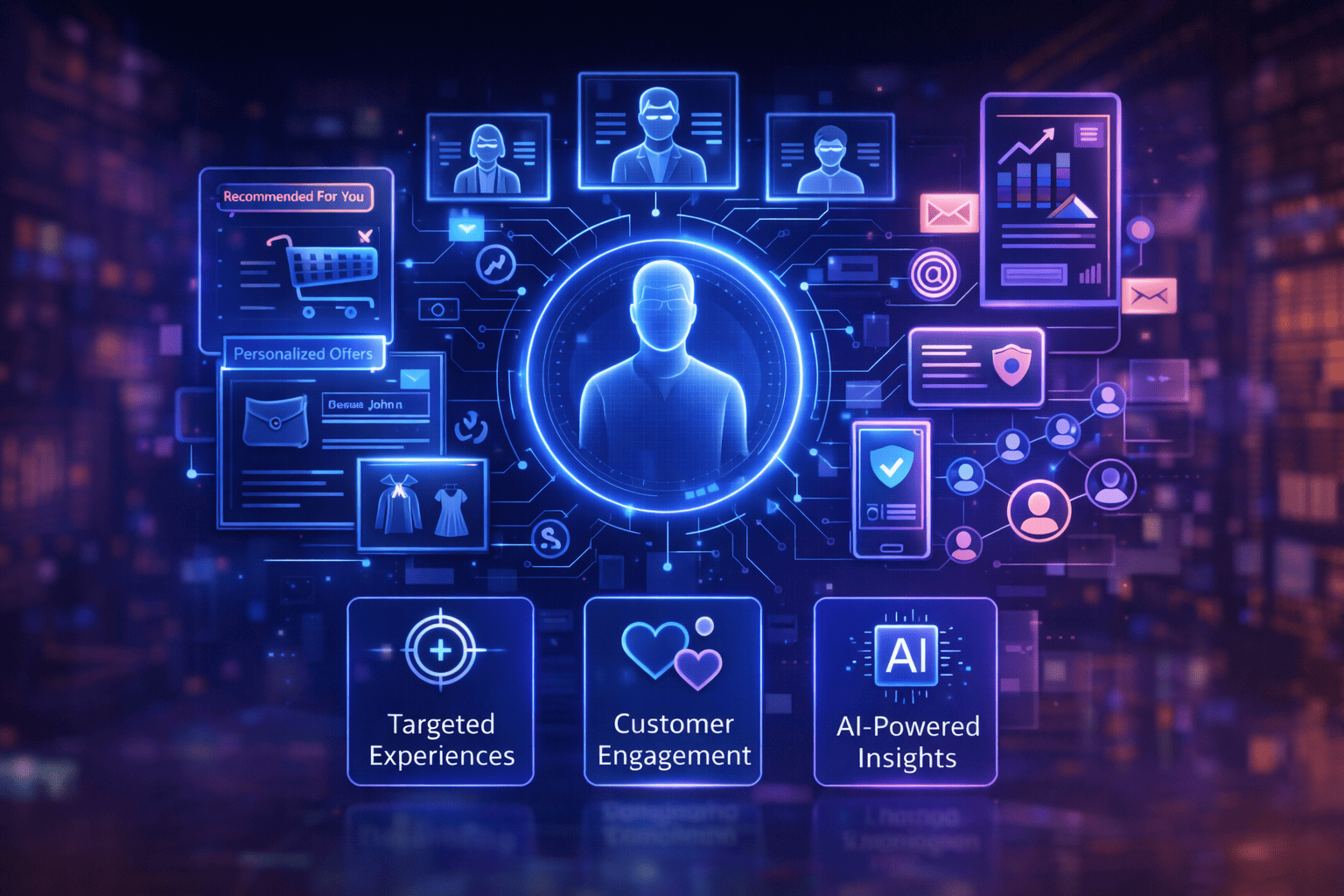
In today’s highly competitive digital landscape, delivering personalized customer experiences has become a key differentiator for businesses. AI-driven personalization in marketing enables organizations to analyze vast amounts of customer data and deliver highly relevant content, offers, and interactions. By leveraging artificial intelligence, businesses can move beyond generic campaigns and create tailored experiences that resonate with individual customer preferences, behaviors, and needs. AI-driven personalization transforms how businesses interact with their customers by enabling real-time data analysis and decision-making. Traditional marketing approaches often rely on broad audience segmentation, which may not fully capture individual preferences. AI, however, uses advanced algorithms to analyze customer data such as browsing behavior, purchase history, demographics, and engagement patterns to create highly personalized experiences.
One of the key applications of AI in marketing personalization is content recommendation. AI systems can suggest products, services, or content based on a user’s past interactions and preferences. For example, e-commerce platforms use AI to recommend products that align with a customer’s interests, increasing the likelihood of conversion and enhancing the overall shopping experience.
Email marketing has also been revolutionized by AI-driven personalization. Instead of sending generic emails to a broad audience, businesses can use AI to create personalized email campaigns tailored to individual users. These emails can include customized subject lines, product recommendations, and content that matches the recipient’s interests, leading to higher open rates and engagement.
AI-powered chatbots and virtual assistants further enhance customer engagement by providing personalized interactions in real-time. These systems can understand user queries, provide relevant responses, and guide customers through their journey, whether it’s answering questions, recommending products, or assisting with purchases. This not only improves customer satisfaction but also reduces the need for manual intervention.
Another important aspect of AI-driven personalization is predictive analytics. AI models can analyze historical data to predict future customer behavior, enabling businesses to anticipate needs and deliver proactive solutions. For instance, AI can identify customers who are likely to churn and trigger personalized retention strategies such as special offers or targeted communication.
Despite its advantages, implementing AI-driven personalization comes with challenges. Businesses must ensure data privacy and comply with regulations while collecting and using customer data. Transparency in data usage and obtaining user consent are critical for building trust. Additionally, organizations need the right infrastructure and expertise to effectively implement AI solutions.
The future of AI-driven personalization in marketing is highly promising. As AI technologies continue to evolve, businesses will be able to deliver even more precise and context-aware experiences. Integration with emerging technologies such as real-time analytics and automation platforms will further enhance personalization capabilities, enabling businesses to engage customers at the right time with the right message.
In conclusion, AI-driven personalization is transforming marketing by delivering targeted experiences and increasing customer engagement. By leveraging AI technologies, businesses can build stronger relationships with their customers, improve conversion rates, and gain a competitive advantage in the digital marketplace.
Email marketing has also been revolutionized by AI-driven personalization. Instead of sending generic emails to a broad audience, businesses can use AI to create personalized email campaigns tailored to individual users. These emails can include customized subject lines, product recommendations, and content that matches the recipient’s interests, leading to higher open rates and engagement.
AI-powered chatbots and virtual assistants further enhance customer engagement by providing personalized interactions in real-time. These systems can understand user queries, provide relevant responses, and guide customers through their journey, whether it’s answering questions, recommending products, or assisting with purchases. This not only improves customer satisfaction but also reduces the need for manual intervention.
Another important aspect of AI-driven personalization is predictive analytics. AI models can analyze historical data to predict future customer behavior, enabling businesses to anticipate needs and deliver proactive solutions. For instance, AI can identify customers who are likely to churn and trigger personalized retention strategies such as special offers or targeted communication.
Despite its advantages, implementing AI-driven personalization comes with challenges. Businesses must ensure data privacy and comply with regulations while collecting and using customer data. Transparency in data usage and obtaining user consent are critical for building trust. Additionally, organizations need the right infrastructure and expertise to effectively implement AI solutions.
The future of AI-driven personalization in marketing is highly promising. As AI technologies continue to evolve, businesses will be able to deliver even more precise and context-aware experiences. Integration with emerging technologies such as real-time analytics and automation platforms will further enhance personalization capabilities, enabling businesses to engage customers at the right time with the right message.
In conclusion, AI-driven personalization is transforming marketing by delivering targeted experiences and increasing customer engagement. By leveraging AI technologies, businesses can build stronger relationships with their customers, improve conversion rates, and gain a competitive advantage in the digital marketplace.